
Best Dental Clinic Near KPHB Phase 4
Call: 9032 802 805
Early Signs of Gum Disease You Should Never Ignore
Your gums are the foundation of your oral health, yet they’re often overlooked until a problem becomes serious. Gum disease, medically known as periodontal disease, affects millions of people worldwide and can lead to tooth loss and other severe health complications if left untreated. At Arcus Dental Clinic, Best Dental Clinic Near KPHB Phase 4 , we believe that awareness and early intervention are your best defenses against this common but preventable condition.
Best Dentist near KPHB Phase 4
If you’re searching for the Best Dental Clinic Near KPHB Phase 3 or the Best Dentist near KPHB Phase 4, understanding the warning signs can help you take action before minor issues become major problems.
Understanding Gum Disease: More Than Just Bleeding Gums
Gum disease begins quietly, often without pain, which is why many people miss the early warning signs. What starts as gingivitis—a mild inflammation of the gums—can progress to periodontitis, a severe infection that damages the soft tissue and destroys the bone supporting your teeth. The good news? When caught early, gum disease is reversible and manageable with proper dental care.
Why Early Detection Matters
Many patients ask why gum disease is such a concern when it seems less urgent than a cavity or toothache. The truth is that periodontal disease is a progressive condition that affects not just your mouth but your overall health. Research has linked advanced gum disease to heart disease, diabetes complications, respiratory infections, and even pregnancy complications.
Your mouth is a window to your body’s health. When bacteria accumulate along and beneath the gum line, they trigger an inflammatory response that, over time, can break down the connective tissue and bone anchoring your teeth. This process happens gradually, which is precisely why recognizing early symptoms is crucial.
Ten Critical Warning Signs You Shouldn’t Ignore
- Bleeding Gums During Brushing or Flossing
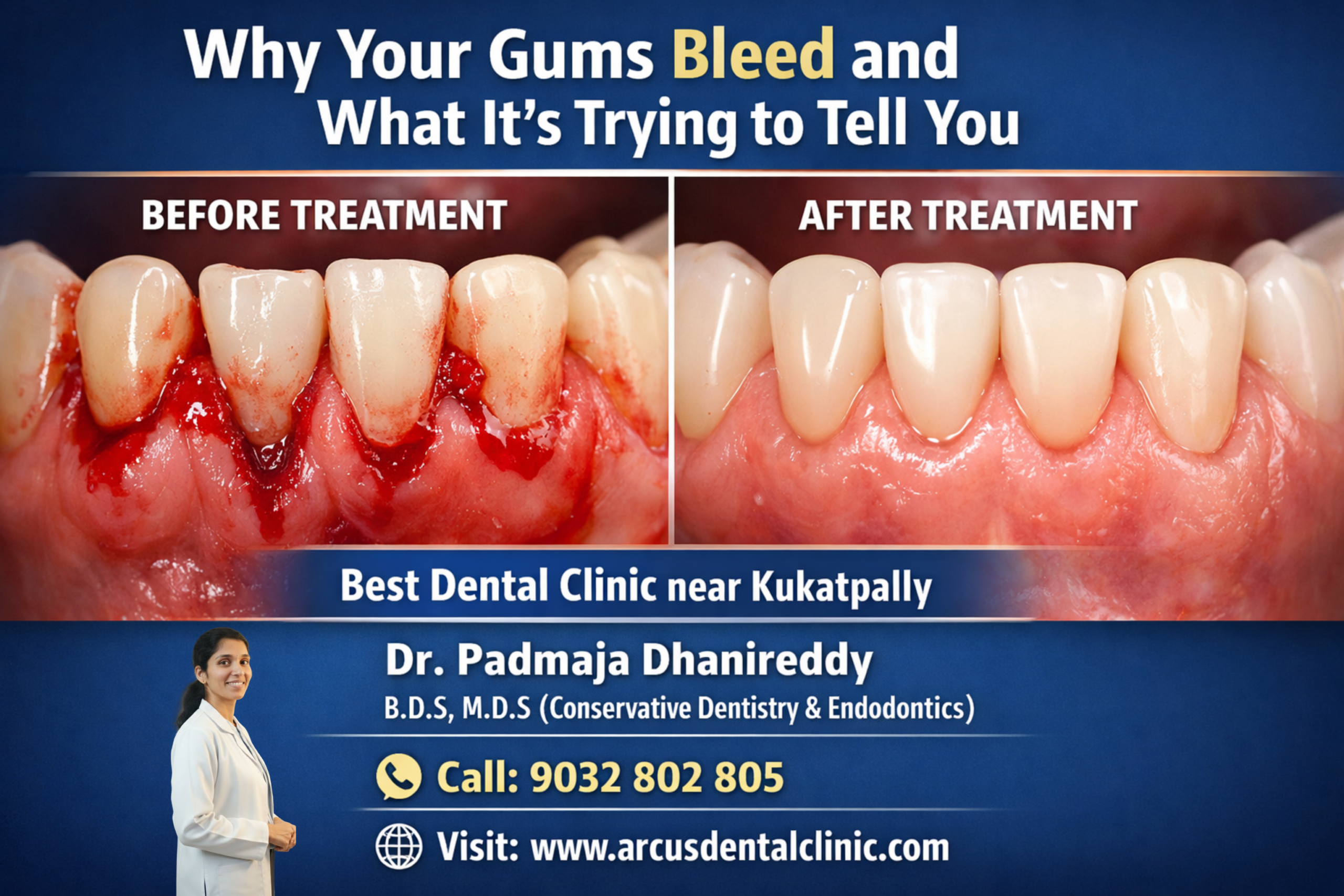
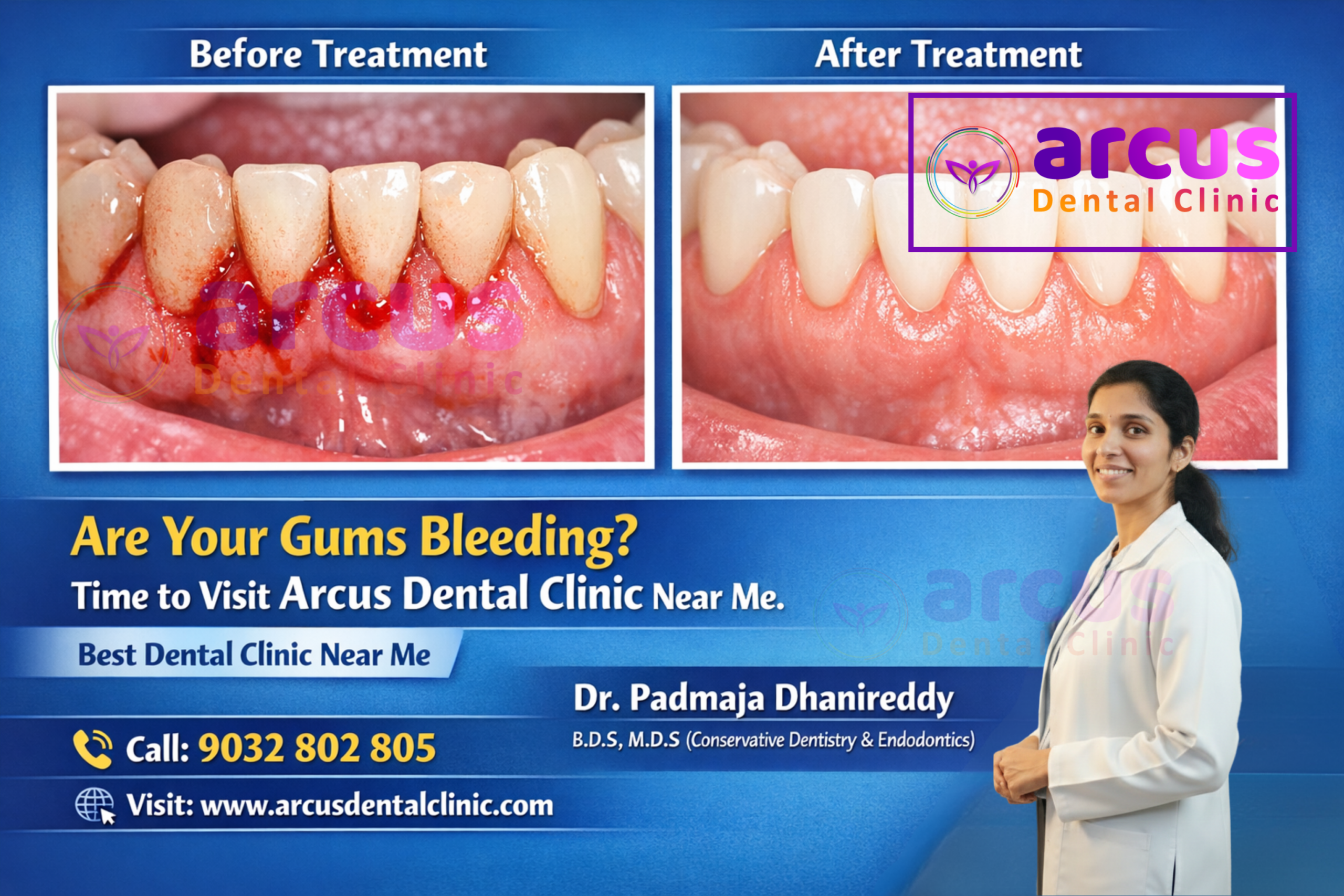
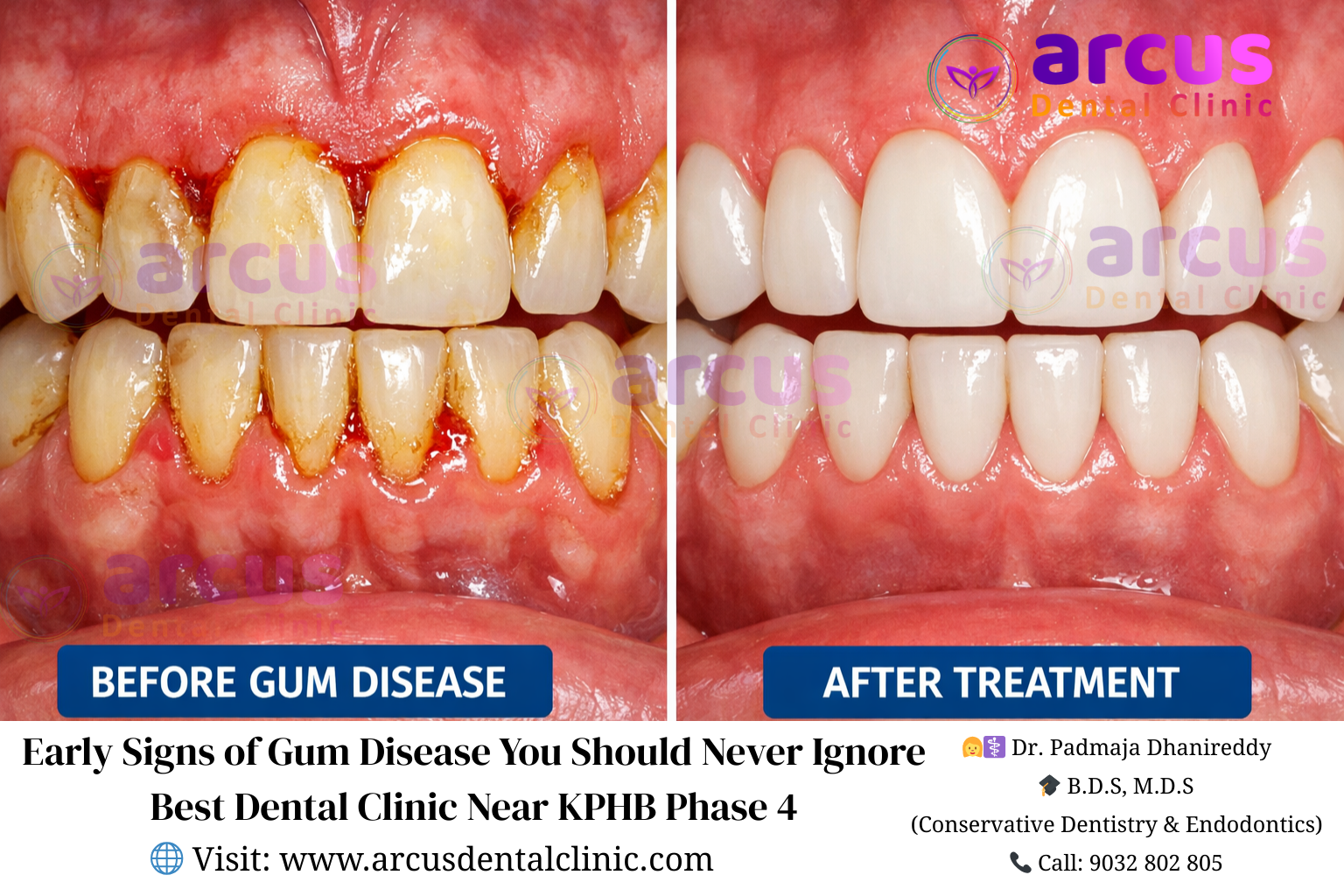
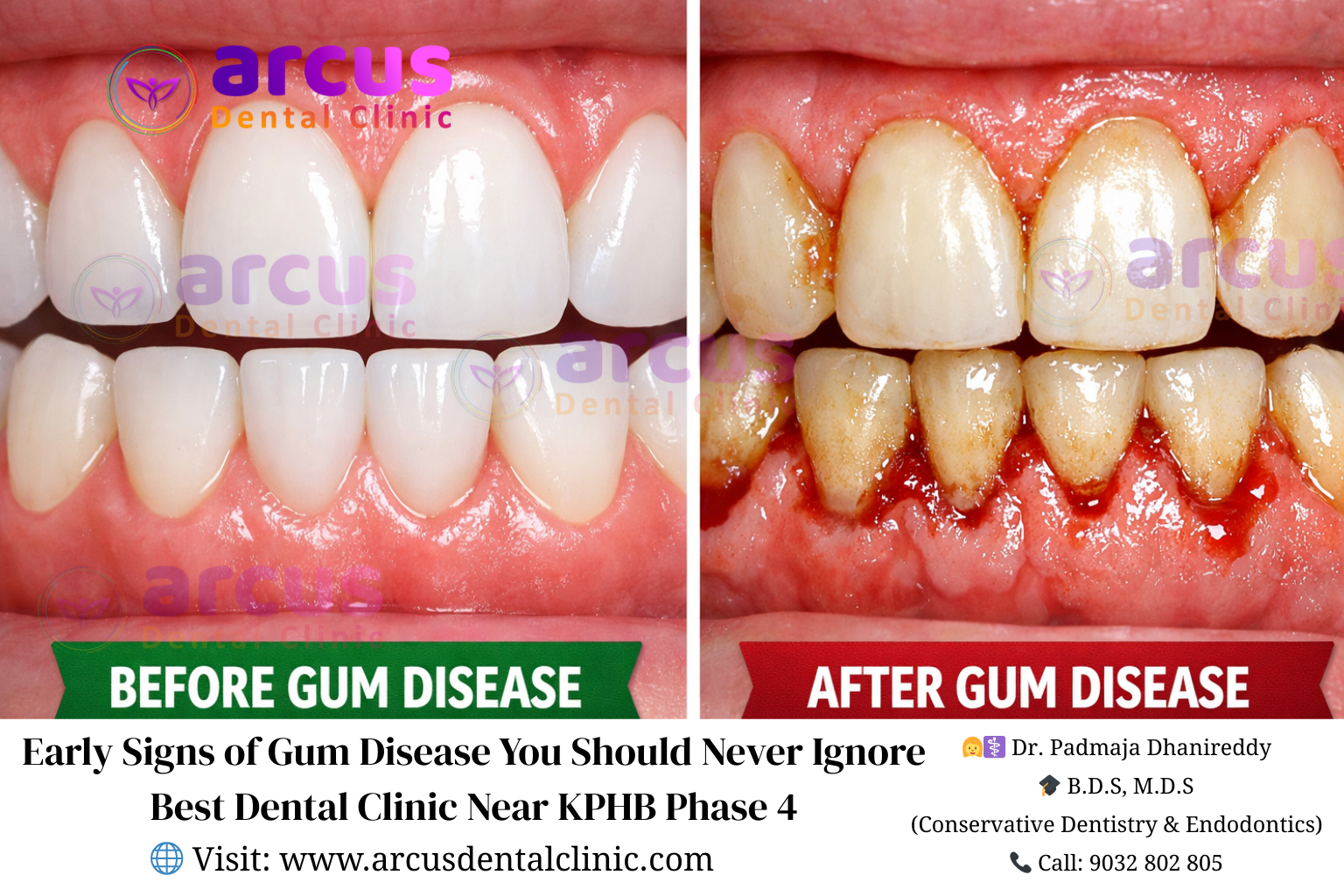
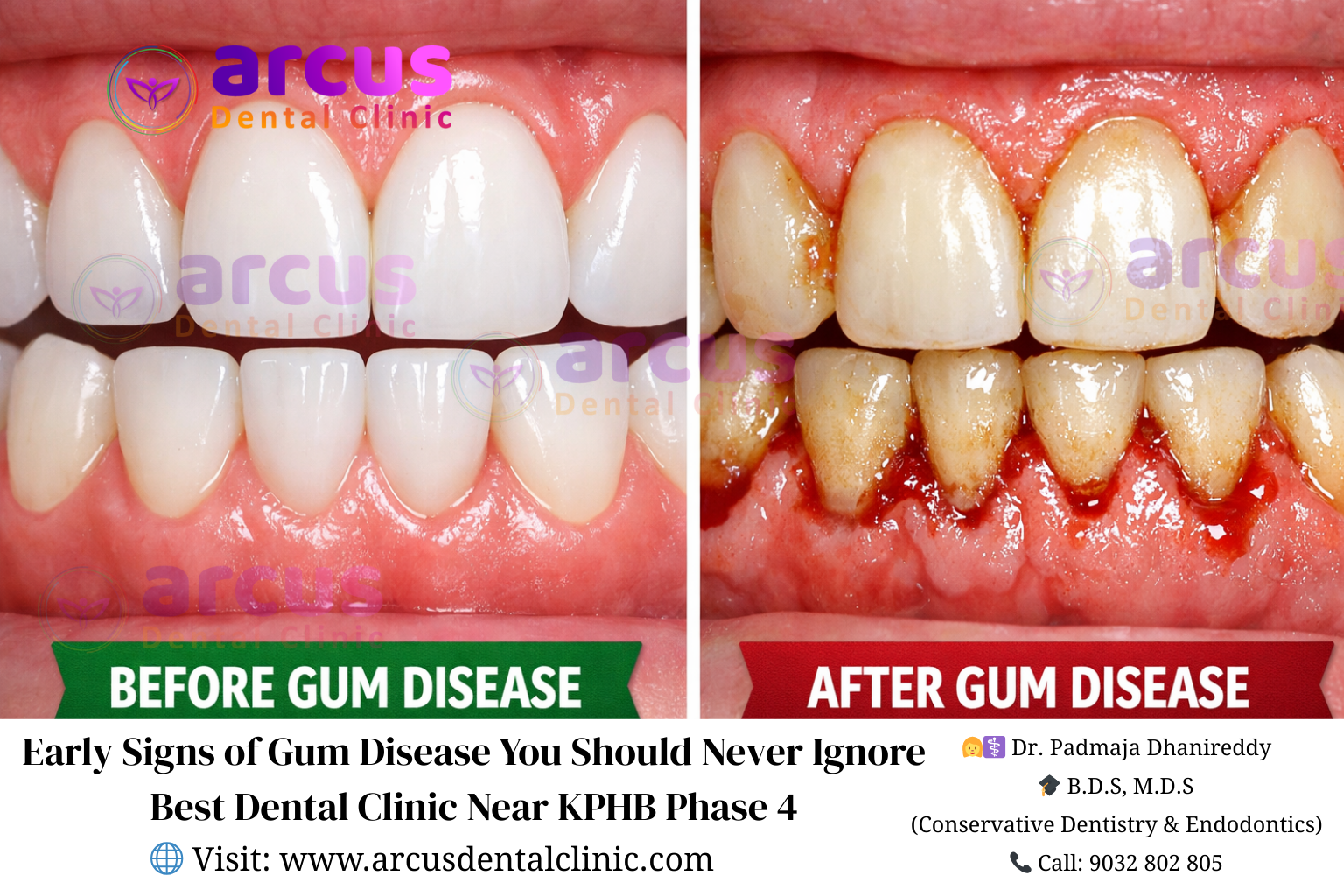
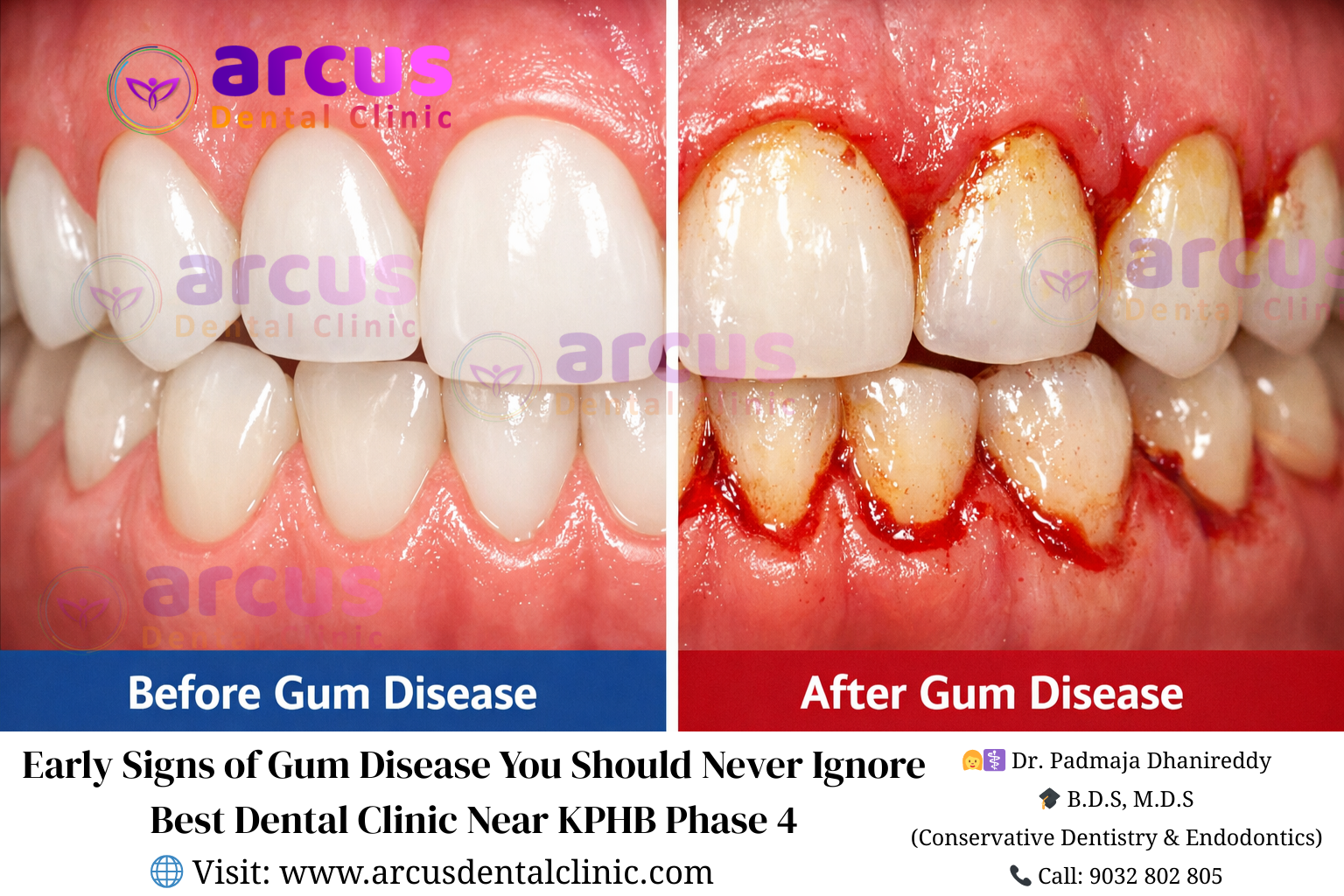
This is often the first sign people notice, yet many dismiss it as normal. Healthy gums should not bleed from routine oral hygiene practices. If you see pink in the sink after brushing or notice blood on your dental floss, your gums are inflamed and require attention. This bleeding indicates that bacteria have irritated the gum tissue, causing gingivitis.
- Red, Swollen, or Tender Gums
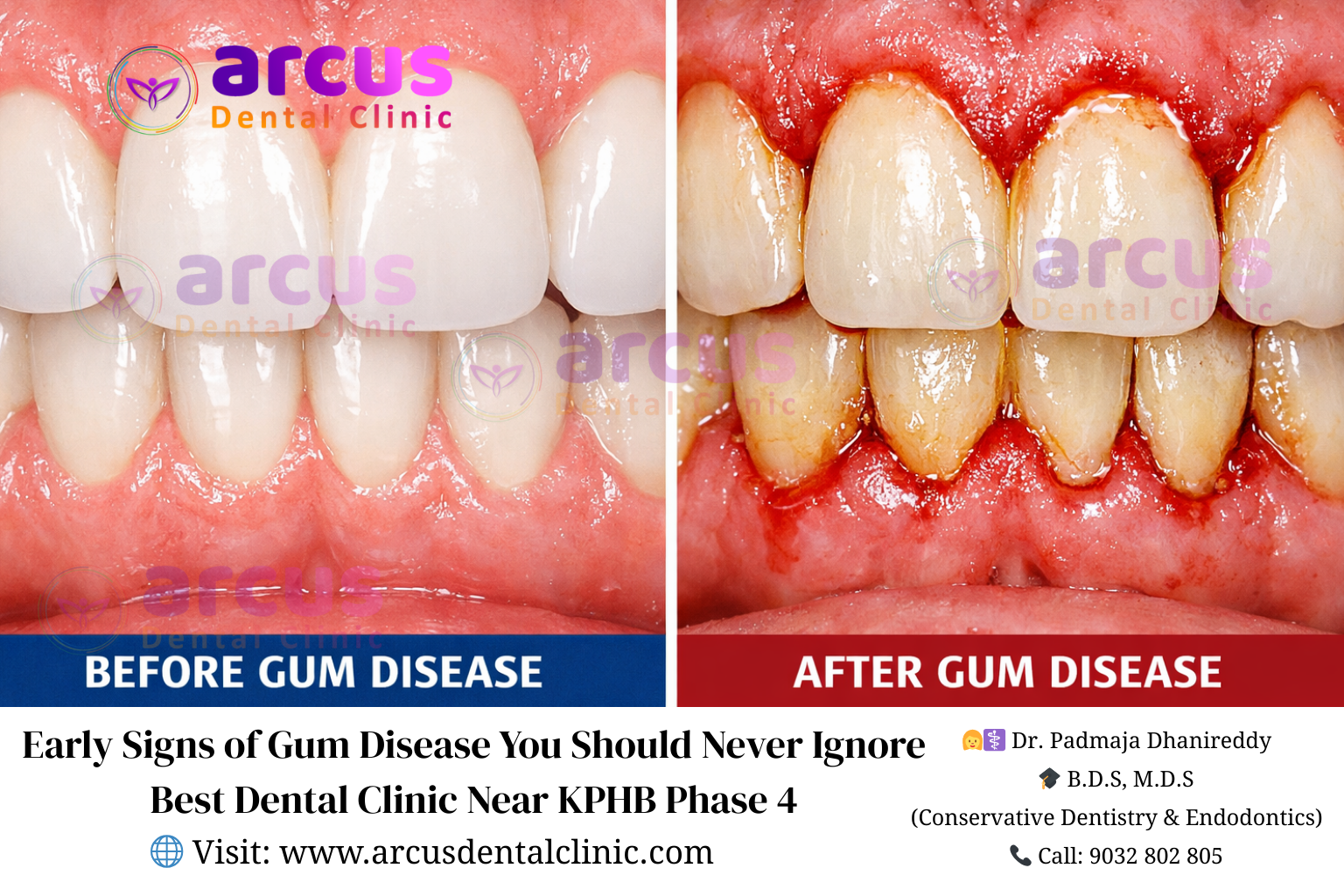
Healthy gums appear firm and pale pink. When gum disease develops, the tissue becomes inflamed, appearing bright red or purplish. You might notice that your gums look puffy or swollen, and they may feel tender or painful to the touch. This inflammation is your body’s response to bacterial infection along the gum line.
- Persistent Bad Breath or Bad Taste
Chronic bad breath, known as halitosis, can stem from various causes, but when combined with other symptoms, it often indicates gum disease. The bacteria responsible for periodontal disease produce sulfur compounds that create an unpleasant odor. If mouthwash and brushing provide only temporary relief, and the bad breath returns quickly, gum disease may be the underlying cause.
- Receding Gums
When gums begin pulling away from your teeth, more of the tooth surface becomes exposed. You might notice your teeth appearing longer than before, or you may feel sensitivity at the gum line. Gum recession creates pockets where bacteria can accumulate, accelerating the disease process and potentially leading to tooth loss.
- Loose or Shifting Teeth
As gum disease progresses to periodontitis, the supporting structures around your teeth weaken. You might notice teeth feeling loose or shifting position, creating gaps where none existed before. Some people also experience changes in how their teeth fit together when biting. This symptom indicates advanced disease requiring immediate professional intervention.
- Painful Chewing
Discomfort while eating, especially when biting down on firm foods, can signal that the tissues and bones supporting your teeth are compromised. This pain differs from tooth sensitivity and often feels deeper, affecting the area around the tooth rather than the tooth itself.
- Gum Sensitivity to Temperature
Increased sensitivity to hot or cold foods and beverages may indicate gum recession or enamel wear related to gum disease. When gums recede, they expose the tooth root, which lacks the protective enamel covering found on the tooth crown, leading to temperature sensitivity.
- Pus Between Teeth and Gums
The presence of pus or discharge between your teeth and gums is a clear sign of infection. This symptom indicates advanced gum disease and requires immediate attention from a dental professional. The infection causing pus formation can spread if not treated promptly.
- Changes in Dental Work Fit
If you wear partial dentures or other dental appliances, you might notice they no longer fit properly. Gum disease can alter the shape of your gums and supporting bone structure, affecting how dental work sits in your mouth.
- Gum Tissue That Pulls Away from Teeth
Visible pockets forming between your teeth and gums are serious warning signs. These periodontal pockets harbor bacteria and deepen as the disease progresses, making cleaning increasingly difficult and allowing infection to penetrate deeper into supporting structures.
Risk Factors That Increase Your Vulnerability
Understanding your risk factors helps you stay vigilant about gum health. Several conditions and lifestyle factors increase susceptibility to periodontal disease:
Poor Oral Hygiene Habits: Inadequate brushing and flossing allow plaque to accumulate and harden into tartar, which can only be removed through professional cleaning.
Tobacco Use: Smoking and chewing tobacco significantly impair gum tissue health and reduce your mouth’s ability to heal, making smokers more likely to develop severe gum disease.
Genetic Predisposition: Some people are genetically more susceptible to gum disease, even with excellent oral hygiene practices.
Hormonal Changes: Pregnancy, menstruation, and menopause can make gums more sensitive and vulnerable to gingivitis due to hormonal fluctuations.
Chronic Diseases: Diabetes, autoimmune conditions, and diseases that affect the immune system increase gum disease risk. The relationship between diabetes and periodontal disease is particularly strong, with each condition potentially worsening the other.
Medications: Certain medications reduce saliva flow, which protects your mouth from bacteria. Others cause abnormal gum tissue growth, making oral hygiene more challenging.
Age: While gum disease can affect anyone, risk increases with age, partly due to cumulative exposure to risk factors over time.
Stress: Chronic stress impairs your immune system’s ability to fight off infections, including the bacteria causing gum disease.
Poor Nutrition: A diet lacking essential nutrients, particularly vitamin C, compromises your body’s ability to maintain healthy gum tissue and fight infection.
The Connection Between Oral and Overall Health
Modern research has revealed surprising connections between gum disease and systemic health conditions. The inflammation and bacteria associated with periodontal disease don’t stay isolated in your mouth—they can affect your entire body.
Cardiovascular Disease: Studies suggest people with gum disease have a higher risk of heart disease. Bacteria from infected gums can enter the bloodstream, potentially contributing to arterial plaque formation.
Diabetes Management: The relationship between diabetes and gum disease is bidirectional. Gum disease makes blood sugar harder to control, while poorly managed diabetes increases gum disease severity.
Respiratory Health: Bacteria from periodontal disease can be inhaled into the lungs, potentially causing respiratory infections or worsening existing lung conditions.
Pregnancy Complications: Pregnant women with gum disease may face increased risks of premature birth and low birth weight babies.
Cognitive Function: Recent research suggests potential links between periodontal disease and cognitive decline, including an increased risk of dementia.
Prevention: Your First Line of Defense
Preventing gum disease is far easier and less costly than treating advanced periodontal disease. These preventive measures form the foundation of healthy gums:
Brush Twice Daily: Use a soft-bristled toothbrush and fluoride toothpaste, spending at least two minutes each session. Angle the brush at 45 degrees toward the gum line to effectively remove plaque where teeth meet gums.
Floss Daily: Flossing removes plaque and food particles from between teeth where your toothbrush cannot reach. Proper flossing technique involves gently sliding the floss between teeth and curving it around each tooth base.
Regular Dental Checkups: Professional cleanings every six months remove tartar buildup and allow your dentist to identify early signs of gum disease. Patients at higher risk may benefit from more frequent visits.
Maintain a Balanced Diet: Foods rich in vitamins, minerals, and antioxidants support gum health. Limit sugary and starchy foods that feed harmful bacteria.
Stay Hydrated: Adequate water consumption helps wash away food particles and bacteria while supporting healthy saliva production.
Avoid Tobacco: If you use tobacco products, quitting is one of the most beneficial decisions you can make for your oral and overall health.
Manage Stress: Finding healthy stress management techniques supports your immune system’s ability to fight infections, including those affecting your gums.
When to Seek Professional Help
If you notice any warning signs of gum disease, don’t wait for your next routine appointment. Early intervention prevents progression and protects your teeth, gums, and overall health. Finding the Best Dental Clinic near KPHB Phase 4 ensures you receive comprehensive care from experienced professionals.
At Arcus Dental Clinic, our team specializes in detecting and treating gum disease at all stages. As the Best Dentist near KPHB Phase 4, we offer advanced diagnostic tools and personalized treatment plans tailored to your specific needs.
Treatment Options at Arcus Dental Clinic
The treatment approach depends on your gum disease stage:
Professional Cleaning: For early-stage gingivitis, a thorough professional cleaning may be sufficient to reverse the condition when combined with improved home care.
Scaling and Root Planing: This deep cleaning procedure removes plaque and tartar from below the gum line and smooths tooth roots to help gums reattach to teeth.
Antimicrobial Treatments: Antibiotic medications or antimicrobial mouth rinses may be prescribed to control bacterial infection.
Surgical Procedures: Advanced cases may require surgical intervention, including flap surgery to reduce pocket depth or bone and tissue grafts to restore damaged structures.
Maintenance Therapy: After initial treatment, regular maintenance cleanings help prevent disease recurrence.
Your Partner in Periodontal Health
Choosing the right dental care provider makes all the difference in maintaining healthy gums. At Arcus Dental Clinic, we combine advanced technology with compassionate care, creating an environment where patients feel comfortable discussing their oral health concerns.
Our comprehensive approach includes:
- Thorough Examinations: We use state-of-the-art diagnostic tools to assess gum health accurately
- Personalized Treatment Plans: Every patient receives care tailored to their specific situation and needs
- Patient Education: We empower patients with knowledge about preventing and managing gum disease
- Comfortable Environment: Our modern facility and caring staff ensure a positive dental experience
- Follow-up Care: We monitor your progress and adjust treatment as needed to achieve optimal results
Take Action Today for Healthier Gums Tomorrow
Gum disease is preventable and treatable, especially when caught early. Don’t ignore the warning signs your body provides. Whether you’ve noticed bleeding gums, persistent bad breath, or any other symptoms mentioned in this article, seeking professional evaluation is the critical first step toward protecting your oral health.
If you’re looking for the Best Dental Clinic near KPHB Phase 4 or the Best Dentist near KPHB Phase 4, Arcus Dental Clinic stands ready to provide exceptional periodontal care. Our experienced team combines expertise with genuine concern for your wellbeing, ensuring you receive the highest quality treatment in a welcoming atmosphere.
Remember, your gums deserve the same attention you give your teeth. They’re not just supporting structures—they’re vital components of your oral health ecosystem. By staying alert to early warning signs and maintaining regular dental visits, you’re investing in a lifetime of healthy smiles.
Don’t let gum disease silently progress. Contact Arcus Dental Clinic today to schedule a comprehensive periodontal evaluation. Your future self will thank you for taking action now to protect your gums, teeth, and overall health. Because when it comes to gum disease, what you don’t know can hurt you—but what you do know can save your smile.
Arcus Dental Clinic – Your trusted partner for comprehensive dental care in KPHB Phase 3. Schedule your appointment today and experience the difference that expert, compassionate dental care makes.
FAQ
1. How quickly can gum disease progress from gingivitis to periodontitis?
The progression timeline varies significantly between individuals depending on factors like oral hygiene habits, genetics, and overall health. In some cases, untreated gingivitis can advance to early periodontitis within a few weeks to months. However, with proper dental care and professional cleanings at the Best Dental Clinic near KPHB Phase 4, gingivitis is completely reversible before it progresses to more serious stages. Regular checkups every six months allow your dentist to catch and treat gum disease in its earliest, most manageable phase.
2. Can gum disease be completely cured, or will I always have it?
Gingivitis, the earliest stage of gum disease, is completely reversible with proper treatment and improved oral hygiene. However, once gum disease progresses to periodontitis with bone loss, the damage cannot be fully reversed, though the disease can be managed and controlled. At Arcus Dental Clinic, we work with patients to halt disease progression, restore gum health as much as possible, and establish maintenance protocols to prevent recurrence. With consistent professional care and excellent home hygiene, many patients successfully manage periodontitis for life without further deterioration.
3. Is gum disease treatment painful?
Modern dental techniques have made gum disease treatment much more comfortable than in the past. For basic cleanings and early-stage gingivitis treatment, most patients experience little to no discomfort. For deeper procedures like scaling and root planing, local anesthesia ensures you remain comfortable throughout the treatment. The Best Dentist near KPHB Phase 3 at Arcus Dental Clinic uses gentle techniques and can discuss sedation options for anxious patients. Many patients report that any mild discomfort during treatment is far less bothersome than living with the symptoms of untreated gum disease.
4. How much does gum disease treatment cost?
Treatment costs vary depending on the severity of your condition and the procedures required. Basic professional cleaning for gingivitis is relatively affordable, while advanced periodontitis requiring surgical intervention involves higher costs. At Arcus Dental Clinic, we provide transparent pricing and work with various insurance plans. We also offer flexible payment options because we believe financial concerns shouldn’t prevent anyone from receiving necessary dental care. During your consultation, we’ll provide a detailed treatment plan with associated costs, allowing you to make informed decisions about your oral health.