
Emergency Dentist Near KPHB
Call: 90328 02805
Emergency Dentist Near KPHB: When to Seek Dental Care and Why Regular Checkups Matter
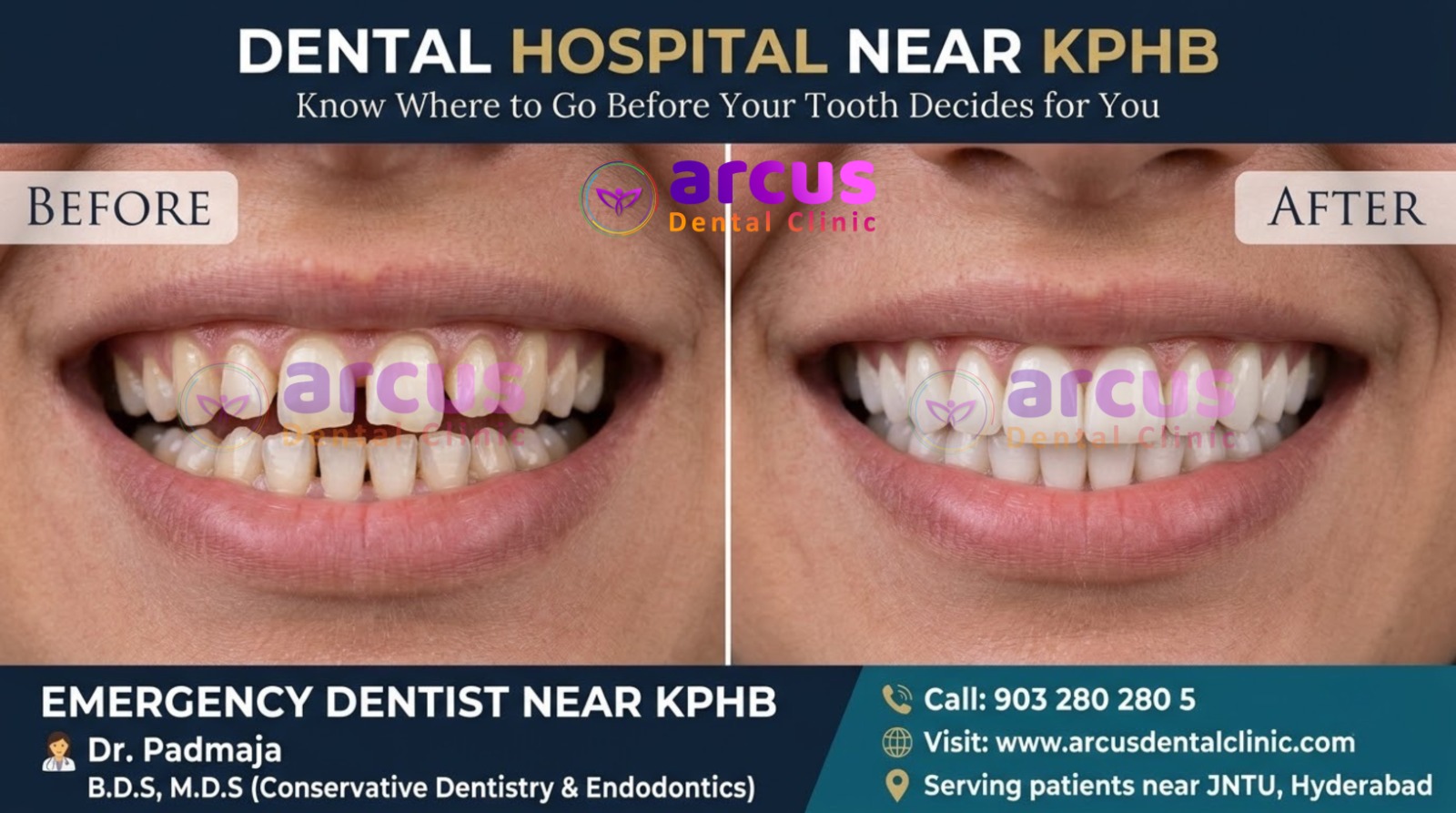
Emergency Dentist Near KPHB is a search people often make when tooth pain, swelling, a broken tooth, or an unexpected dental problem interrupts their day. Dental discomfort can begin gradually or appear suddenly, and it is not always easy to understand what is causing it. While some problems can wait for a routine appointment, others need prompt professional attention to prevent complications. Knowing the warning signs, understanding basic first-aid measures, and finding a dental clinic before an urgent situation arises can make the experience less stressful. Arcus Dental Clinic in KPHB, Hyderabad, provides dental consultations and a range of services to help patients understand their oral health concerns and discuss suitable treatment options.
Dental Checkup Clinic in KPHB
Dental Checkup Clinic in KPHB: The Importance of Looking After Your Teeth Before Problems Begin
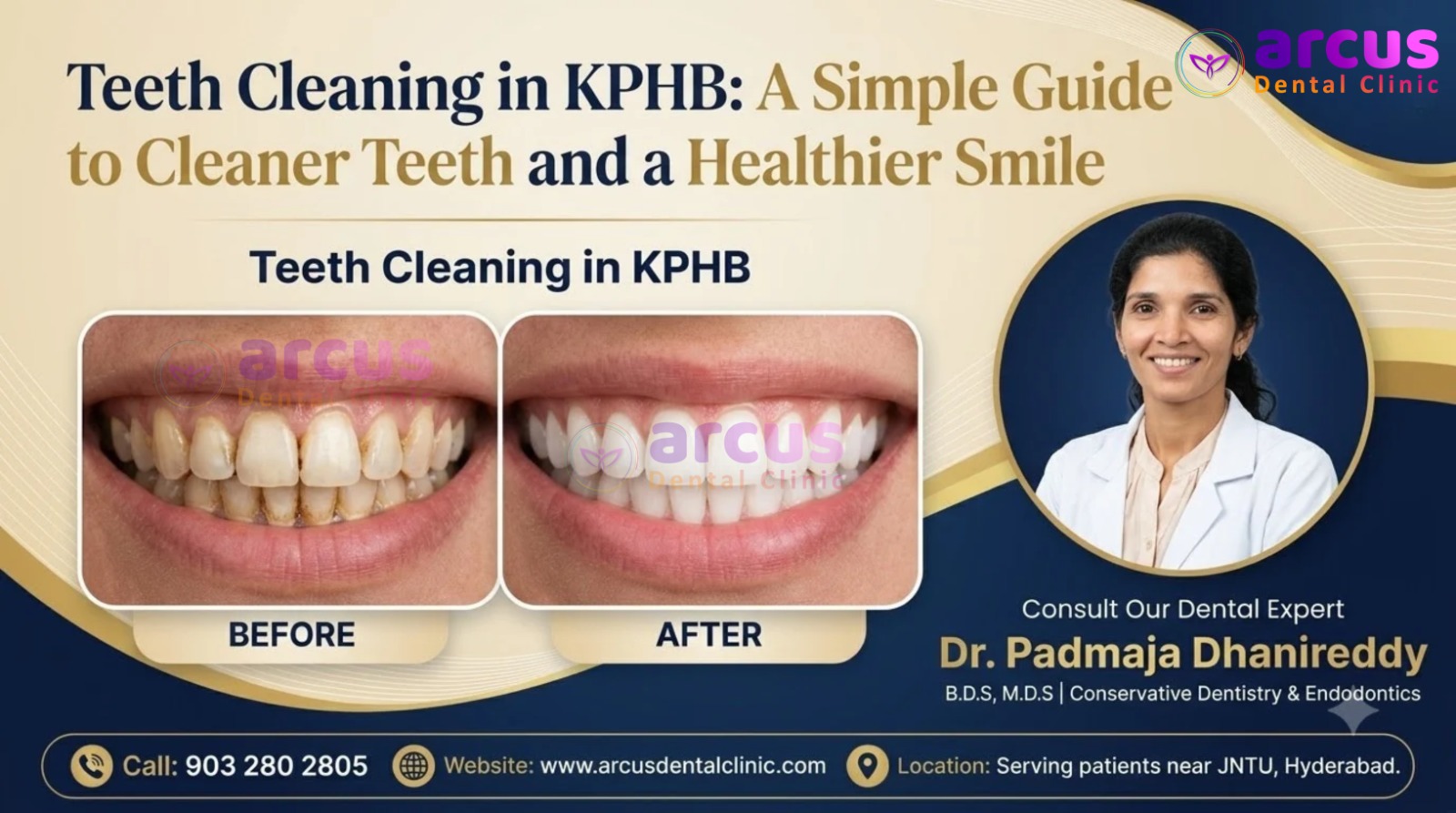
Dental Checkup Clinic in KPHB is an important consideration for anyone who wants to maintain healthy teeth and gums rather than waiting until discomfort becomes difficult to ignore. Regular dental visits allow a dentist to examine the teeth, gums, and other visible areas of the mouth, identify potential concerns, and explain appropriate preventive care. Small cavities, early gum problems, worn fillings, and other changes may not always cause noticeable symptoms in their initial stages. A routine examination gives patients an opportunity to discuss these concerns and receive guidance suited to their needs. At Arcus Dental Clinic, patients can discuss their symptoms, oral hygiene habits, and treatment concerns with the dental team.
What Counts as a Dental Emergency?
Not every toothache requires emergency treatment, but certain symptoms should not be ignored. A dental emergency generally involves significant pain, trauma, bleeding, swelling, or a problem that may cause further damage if treatment is delayed.
Understanding the difference between a minor concern and a potentially urgent problem helps you decide when to contact a dentist.
Severe or Persistent Toothache
A toothache that interferes with eating, sleeping, or everyday activities deserves professional assessment. It may be related to tooth decay, inflammation inside the tooth, a cracked tooth, gum disease, or another dental condition.
Pain that continues, becomes more intense, or returns repeatedly should not be managed only with temporary home remedies. A dentist can examine the affected area and determine whether further tests, such as dental X-rays, are needed.
Avoid placing aspirin directly on the tooth or gums, as this can damage the soft tissues. Do not take leftover antibiotics without medical advice.
Swelling Around the Gums or Face
Swelling near a tooth may be associated with infection or inflammation. Facial swelling, fever, increasing pain, or difficulty opening the mouth can indicate a more serious problem and needs urgent assessment.
If swelling affects breathing or swallowing, seek emergency medical care immediately rather than waiting for a routine dental appointment.
A Broken, Chipped, or Cracked Tooth
A tooth can break while eating hard food, during sports, or following an accident. Even a small-looking crack may expose sensitive inner structures or make the tooth vulnerable to additional damage.
Rinse your mouth gently with clean water. If a piece of the tooth has broken off, keep it in a clean container and take it to the dentist if possible. Avoid chewing on the affected side until you receive advice.
The treatment depends on the location and extent of the damage. Some teeth may need a filling or bonding, while more extensive damage may require a crown or other treatment.
A Knocked-Out Permanent Tooth
A permanent tooth knocked out by an accident requires immediate attention. Time matters, so contact a dentist straight away and seek treatment as quickly as possible.
Handle the tooth by its crown, not its root. If it is dirty, rinse it gently with milk or saline without scrubbing it. If possible, and only if you can do so safely, the tooth may be placed back into its socket. Otherwise, keep it moist in milk or an appropriate tooth-preservation solution and get urgent dental care. Do not store it dry or wrap it in tissue.
Never attempt to reinsert a baby tooth that has been knocked out.
Lost Fillings or Damaged Crowns
A filling or crown that becomes loose or falls out can leave a tooth sensitive and vulnerable. Contact a dentist for advice, particularly if you experience pain or sharp edges.
Avoid chewing hard foods on that side. Do not use household glue to reattach a crown, and do not force a restoration back into place.
When Should You Visit an Emergency Dentist?
If you are searching for an Emergency Dentist Near KPHB, first consider the symptoms and how quickly they have developed. Severe pain, dental trauma, facial swelling, uncontrolled bleeding, or suspected infection should not be left unattended.
Contact a dental clinic promptly and describe the symptoms, when they started, and whether there has been an injury. The clinic can advise you about the next steps and appointment availability.
Seek immediate medical attention for difficulty breathing or swallowing, rapidly spreading facial or neck swelling, or heavy bleeding that does not stop. These symptoms can require emergency medical care.
A dental appointment generally begins with a discussion of your symptoms and medical history. The dentist examines the affected area and may recommend imaging when needed. Once the cause has been assessed, the available treatment options can be explained.
Treatment varies from case to case. Some problems may be managed with a temporary repair or pain-relieving treatment, while others require a more involved procedure or follow-up visits. There is no single treatment that is appropriate for every dental emergency.
Common Causes of Sudden Dental Pain
Tooth pain is a symptom rather than a diagnosis. Several conditions can produce similar discomfort, which is why professional examination is important.
Tooth Decay
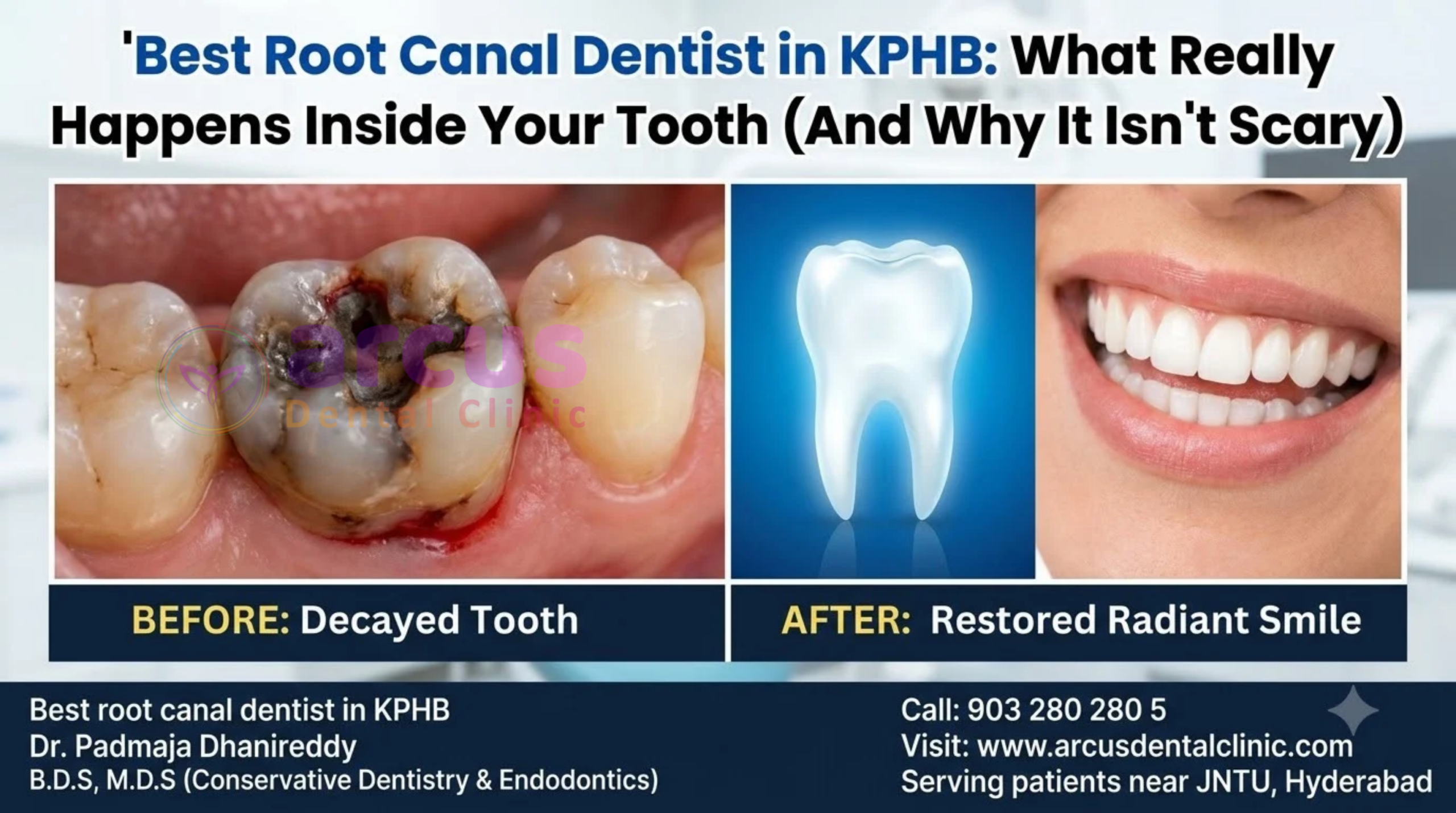
Tooth decay develops when acids produced by bacteria damage the tooth surface. Early decay may not cause symptoms, but a more advanced cavity can lead to sensitivity or pain.
Treatment depends on the extent of the damage. A dentist may recommend a filling or another procedure if the decay has progressed further.
Gum Infection or Inflammation
Gums that appear red, swollen, or tender may be affected by inflammation or infection. Bleeding while brushing can also be a sign that the gums need attention.
If you notice persistent swelling, discharge, bad breath, or pain around the gums, arrange an assessment rather than relying solely on mouthwash or home remedies.
Cracked Teeth and Damaged Restorations
A cracked tooth may cause discomfort while biting or when releasing pressure. Old fillings and crowns can also wear down or become damaged over time.
Avoid deliberately testing a painful tooth by biting hard objects. A dentist can assess the tooth and recommend an appropriate repair.
Wisdom Tooth Problems
Wisdom teeth sometimes become trapped beneath the gums or emerge only partially. This can make the area difficult to clean and may lead to inflammation, pain, or infection.
Persistent pain at the back of the mouth should be evaluated. The dentist may examine the area and use imaging if necessary to understand the position of the tooth.
Why Routine Dental Checkups Matter
A dental visit is not only for treating pain. Preventive care helps patients understand the condition of their teeth and gums and identify issues before they become more complicated.
During a routine visit, a dentist may examine the teeth for decay, inspect the gums, assess existing fillings or crowns, and discuss oral hygiene practices. X-rays are recommended when clinically appropriate, rather than automatically for every patient.
The interval between visits depends on individual needs. Some people may benefit from regular six-monthly appointments, while others with specific dental concerns may need a different schedule.
Early Identification of Dental Problems
A cavity can develop without obvious discomfort. Similarly, gum disease may progress while symptoms remain mild.
Routine examinations give the dentist an opportunity to identify changes and explain the available options. Early care may help avoid more extensive treatment, although the outcome depends on the condition and individual circumstances.
Personalized Oral Hygiene Advice
People have different dental needs. Someone wearing braces may need extra cleaning techniques, while a person with sensitive teeth may need advice about brushing pressure and suitable toothpaste.
Your dentist can help you choose practical habits that fit your daily routine.
Checking Existing Dental Work
Fillings, crowns, bridges, and other restorations need appropriate care. A checkup allows the dentist to look for signs of wear, damage, or changes around the treated tooth.
If something feels different when you bite or chew, mention it during your appointment.
What Happens During a Dental Checkup?
A Dental Checkup in KPHB can be an opportunity to discuss both current concerns and long-term oral health. Understanding what happens during a visit can help patients who feel nervous about dental appointments.
The process commonly includes the following steps.
First, a discussion of your concerns. The dentist may ask about pain, sensitivity, bleeding gums, medications, medical history, and previous dental treatment.
Next, an examination. The teeth, gums, and other accessible areas of the mouth are assessed. The dentist may check for decay, gum inflammation, damaged restorations, or other changes.
Additional tests when needed. Dental X-rays or other assessments may be recommended if they help clarify a concern that cannot be fully evaluated through the visual examination alone.
Finally, a care plan. The dentist explains the findings and discusses appropriate next steps. This may involve preventive advice, a cleaning appointment, a filling, or further assessment.
Patients should feel comfortable asking questions about the findings, treatment choices, expected visits, and costs before proceeding.
How to Care for Your Teeth Between Appointments
Daily habits play a major role in maintaining oral health. Even if you attend regular checkups, your teeth and gums still need consistent care at home.
- Brush twice a day with fluoride toothpaste.
- Clean between your teeth daily using floss or another suitable interdental cleaner.
- Limit frequent sugary snacks and drinks.
- Drink water regularly, particularly after meals.
- Avoid tobacco products.
- Wear a suitable mouthguard during contact sports.
- Do not use your teeth to open packages or bite hard objects.
- Seek professional advice for persistent pain, sensitivity, or bleeding gums.
Children may need help with brushing until they develop the coordination to clean their teeth effectively. Parents should also ask a dentist about age-appropriate fluoride use and preventive care.
Dental Care for Children, Adults, and Older Patients
Dental needs change throughout life. Children benefit from early dental visits that help parents understand tooth development, brushing techniques, and cavity prevention.
Teenagers may need guidance about orthodontic treatment, sports protection, and maintaining oral hygiene during changes in their diet and routines.
Adults often need ongoing care for cavities, gum health, worn fillings, and other concerns. Older adults may need additional attention to dry mouth, gum recession, existing restorations, or difficulties cleaning around dental appliances.
A family dental clinic can help patients discuss these needs over time and understand which preventive measures are appropriate for them.
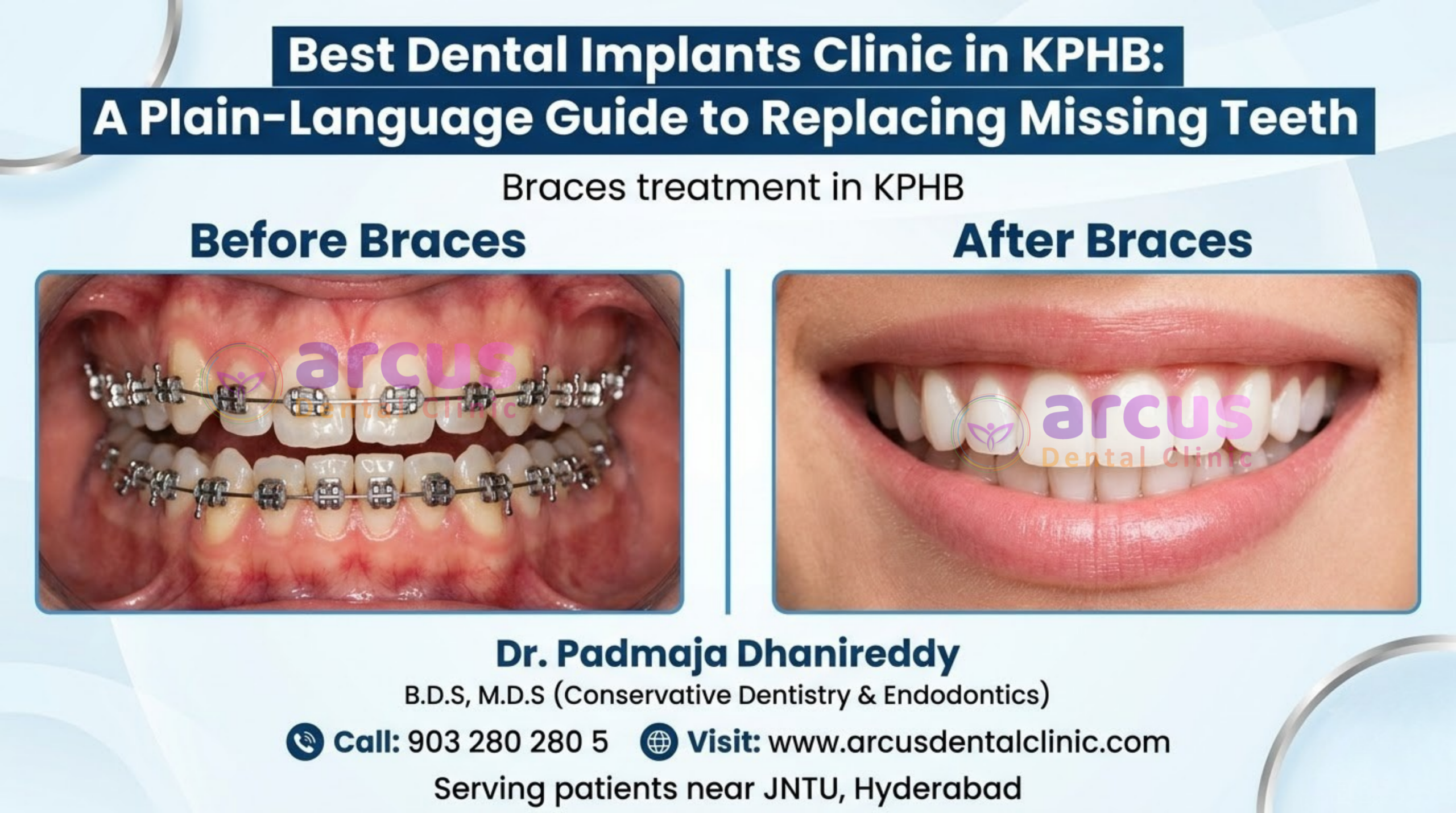
At Arcus Dental Clinic, patients can enquire about general dental consultations, cleaning and polishing, fillings, root canal treatment, braces and aligners, and other services listed by the clinic.
Choosing a Dental Clinic in KPHB
Location is one practical factor when selecting a dentist, especially when you need follow-up appointments. However, convenience should be considered alongside communication, hygiene practices, treatment explanations, and the suitability of the proposed care.
Look for a clinic where you can describe your symptoms openly and ask questions without feeling rushed. It is reasonable to ask about the purpose of a recommended procedure, possible alternatives, expected appointments, and the associated cost.
For urgent concerns, also confirm appointment availability rather than assuming a clinic can accommodate every emergency immediately.
Arcus Dental Clinic is located at 1st Floor, LIG 61-8, 4th Phase, KPHB, JNTU-Hitech City Road, Hyderabad. Patients can contact the clinic to discuss their concerns and enquire about available appointments.
Frequently Asked Questions
- What symptoms require an urgent dental appointment?
Severe or persistent toothache, a broken tooth, dental trauma, swelling, suspected infection, or a knocked-out permanent tooth needs prompt dental assessment. Difficulty breathing or swallowing requires immediate emergency medical attention.
- Can a tooth infection go away on its own?
A dental infection generally requires professional assessment and appropriate treatment. Pain may temporarily reduce even when the underlying problem remains. Do not rely on symptom relief alone or take antibiotics without professional advice.
- How often should I get a dental checkup?
The ideal interval depends on your oral health, history of dental problems, and risk factors. Your dentist can recommend a suitable schedule; not everyone needs exactly the same frequency of visits.
- Do dental checkups always require X-rays?
No. X-rays are recommended when the dentist considers them necessary to assess a particular concern or support treatment planning. The decision depends on your symptoms, dental history, and examination findings.
- What should I do if I break a tooth?
Rinse your mouth gently, avoid chewing on the affected side, and contact a dentist. If a piece breaks off, keep it and take it to the appointment if possible. Seek urgent care if there is significant pain or injury.
- Where is Arcus Dental Clinic located?
Arcus Dental Clinic is at 1st Floor, LIG 61-8, 4th Phase, KPHB, JNTU-Hitech City Road, Hyderabad, Telangana 500072. Call 9032802805 to enquire about appointments.
Conclusion
Dental problems can be worrying, particularly when pain or an unexpected injury occurs without warning. Recognizing the signs that need prompt attention and understanding when to seek routine care can help you make informed decisions about your oral health.
If you need an Emergency Dentist Near KPHB, do not ignore severe pain, swelling, dental trauma, or other concerning symptoms. If you are looking for preventive care, a Dental Checkup in KPHB can help you understand the condition of your teeth and gums and discuss a suitable care plan.
Arcus Dental Clinic in KPHB, Hyderabad, provides a range of dental services for patients with different needs. Contact the clinic to discuss your concerns, ask questions, and enquire about an appointment. Regular preventive care, good daily habits, and timely professional attention all contribute to maintaining a healthy smile.