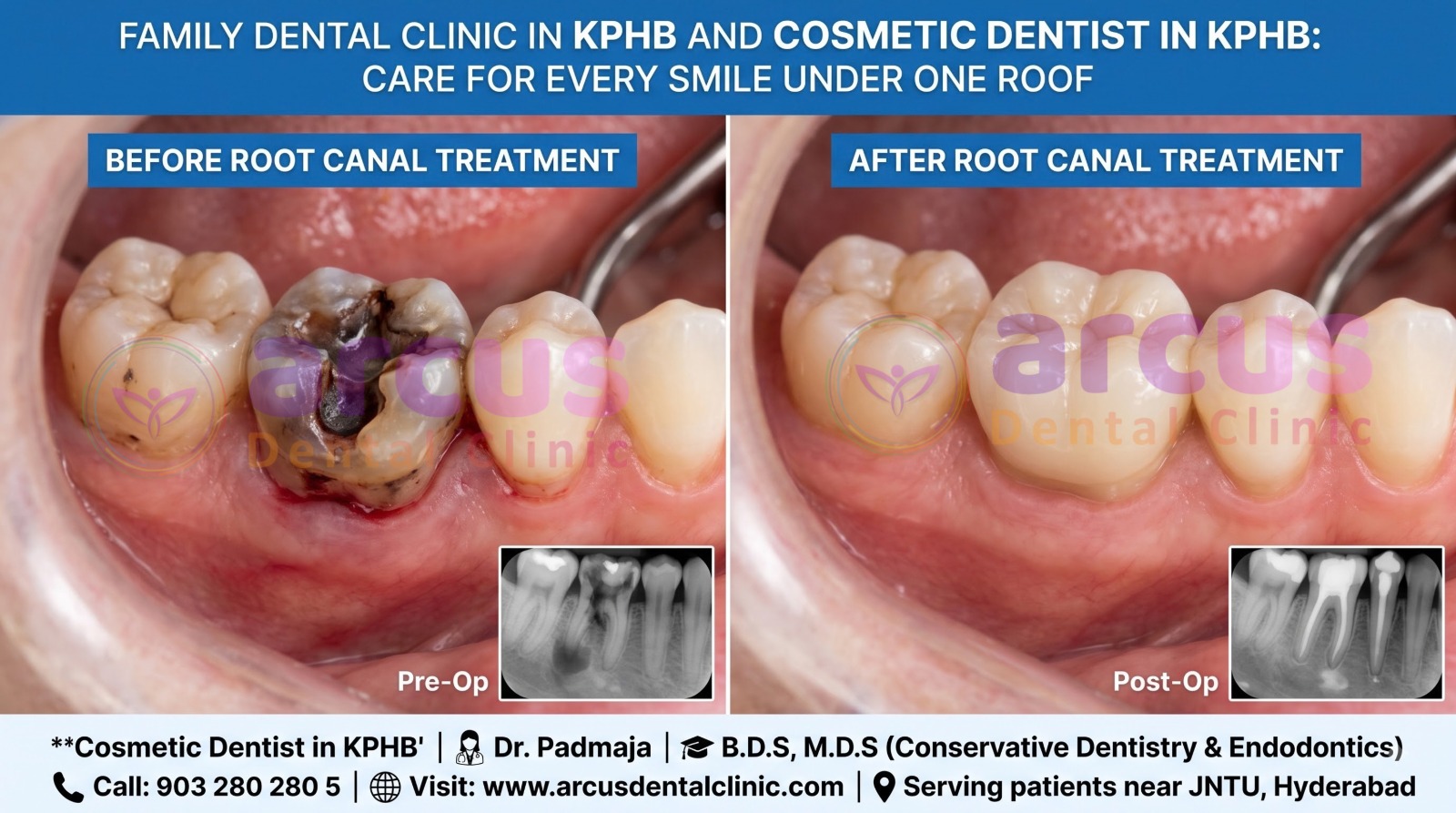

Teeth Cleaning Clinic in KPHB
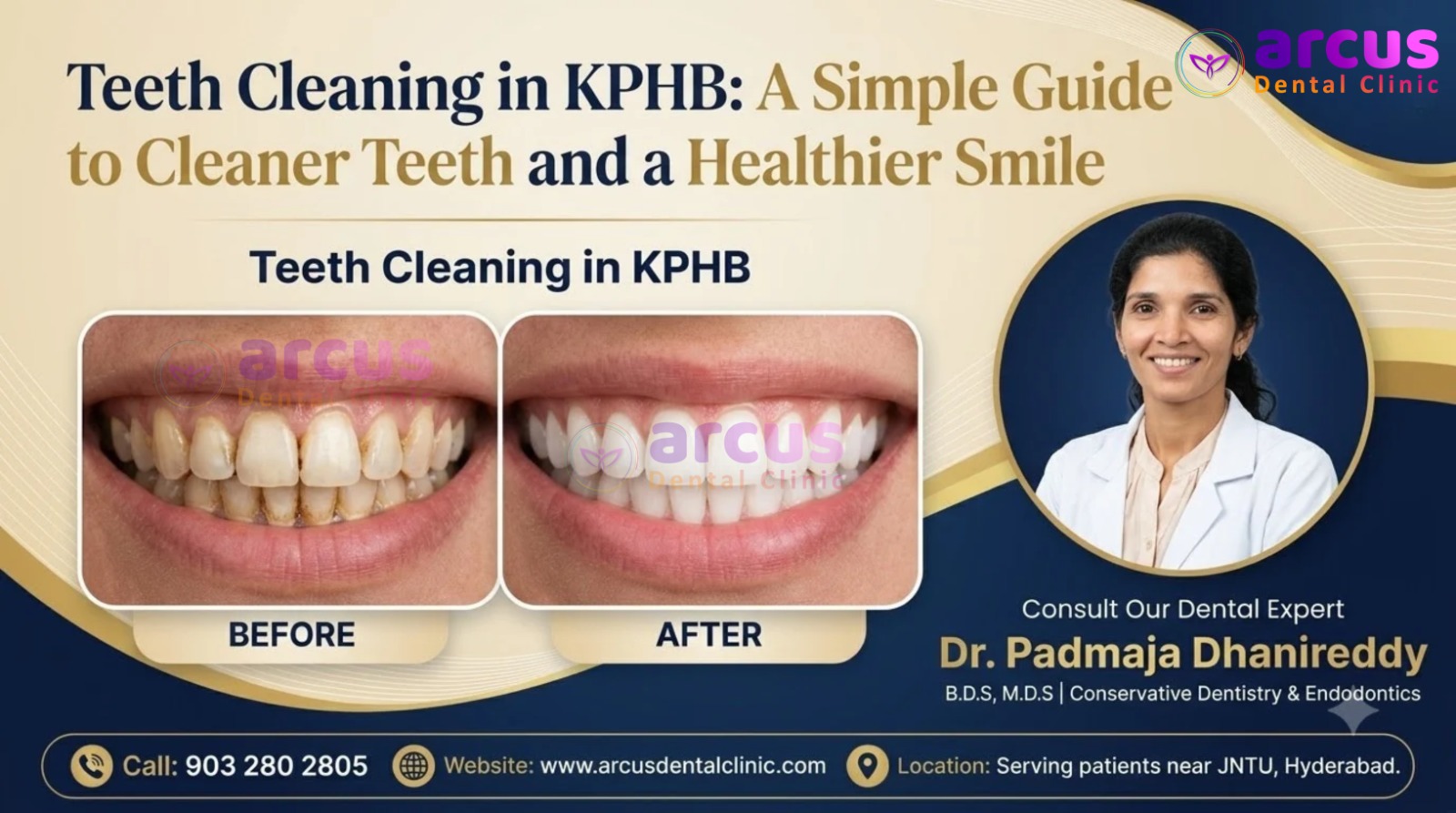
Teeth Cleaning Clinic in KPHB: A Simple Guide to Cleaner Teeth and a Healthier Smile
Call: +91 9032802805
Teeth Cleaning Clinic in KPHB is a useful search for people who want to maintain fresh breath, healthy gums, and a clean smile. Even if you brush every morning and night, plaque can collect in areas that are difficult to reach with a toothbrush. Over time, this buildup may harden into tartar, which cannot be removed through ordinary brushing alone. Professional dental cleaning helps remove deposits from the teeth and gives the dentist an opportunity to check the health of your gums. At Arcus Dental Clinic in KPHB, Hyderabad, patients can enquire about cleaning and polishing, routine dental examinations, and other services that support everyday oral health.
Best Orthodontist in KPHB
Best Orthodontist in KPHB: Understanding Braces, Aligners, and Teeth Alignment
Best Orthodontist in KPHB is a relevant search for people who have crooked teeth, gaps, crowded teeth, or a bite that does not feel comfortable. Orthodontic treatment focuses on correcting the position of teeth and, where appropriate, improving how the upper and lower teeth meet. Depending on the patient’s age, dental condition, and treatment goals, options may include traditional braces or clear aligners. Straightening teeth is not only about appearance; alignment can also affect chewing, cleaning, and the way teeth come together. An orthodontic assessment helps determine whether treatment is needed and which options may be suitable for the individual.
What Is Professional Teeth Cleaning?
Daily brushing and cleaning between your teeth are the foundation of good oral hygiene. However, plaque can remain around the gumline, between crowded teeth, and near existing dental restorations. If it is not removed regularly, plaque can harden into tartar, also known as calculus.
Professional cleaning, often called scaling and polishing, is performed by a dental professional using appropriate instruments. Scaling removes plaque and hardened deposits from the tooth surfaces and around the gumline. Polishing may then be used to remove certain surface stains and leave the teeth feeling smoother.
Professional cleaning is different from teeth whitening. Cleaning removes deposits and some external staining, while whitening treatments are designed to change the shade of the teeth. A dentist can explain which approach, if any, is appropriate for your concerns.
The frequency of professional cleaning varies. Some people need more frequent care because of gum problems, heavy tartar buildup, or other risk factors. Others may require a different schedule based on their dental examination.
Signs That You May Need a Dental Cleaning
Tartar can build up without causing obvious discomfort. Nevertheless, some signs may suggest that your teeth and gums need professional attention.
Bleeding Gums While Brushing
Healthy gums generally should not bleed regularly during brushing or flossing. Bleeding may be associated with gum inflammation, plaque buildup, brushing technique, or other oral health problems.
Use a soft-bristled toothbrush and clean gently. If bleeding continues, arrange a dental examination instead of avoiding the affected area altogether.
Persistent Bad Breath
Bad breath can have several causes, including bacteria on the tongue, gum disease, dry mouth, certain foods, and some medical conditions.
If the problem persists despite regular brushing and tongue cleaning, a dentist can examine your mouth and help identify possible causes. Professional cleaning may be useful when plaque and tartar contribute to the problem, but it does not address every cause of bad breath.
Yellow or Brown Deposits Near the Gums
Some surface stains develop from tea, coffee, tobacco, or other substances. Hardened tartar can also appear yellow or brown, particularly around the gumline.
Brushing may remove some fresh surface deposits, but tartar generally needs professional removal. Avoid scraping your teeth with sharp objects or using harsh household products to remove stains.
Teeth That Feel Rough
When plaque hardens into tartar, the affected areas may feel rough to the tongue. Deposits can accumulate behind the lower front teeth and around the back teeth.
A dental professional can assess whether the roughness is caused by tartar, a damaged restoration, or another issue.
Benefits of Regular Professional Dental Cleaning
Professional cleaning is an important part of preventive dental care. Its benefits depend on the individual’s oral health and the condition of the teeth and gums.
Helps Remove Plaque and Tartar
Plaque is a sticky film containing bacteria that forms on teeth. If it is not removed effectively, it can contribute to tooth decay and gum inflammation.
Once plaque hardens into tartar, brushing and flossing alone cannot remove it. Professional scaling helps clear these deposits from accessible tooth surfaces and around the gumline.
Supports Gum Health
Gum inflammation may cause redness, tenderness, swelling, and bleeding. Removing plaque and tartar can help manage the factors that contribute to gingivitis.
More advanced gum disease may require additional assessment and treatment. A routine cleaning is not a substitute for periodontal treatment when deeper gum pockets or supporting tissue damage are present.
Helps Reduce Certain Surface Stains
Professional polishing may reduce some external stains caused by food, beverages, and other substances. The final appearance depends on the type of staining and the natural shade of the teeth.
If your main concern is tooth colour, ask the dentist whether cleaning, whitening, or another option would be appropriate.
Gives You an Opportunity to Discuss Oral Health
A cleaning appointment can also be a useful time to discuss brushing technique, flossing, sensitivity, bad breath, or other concerns.
Your dentist may notice areas where plaque repeatedly collects and recommend practical changes to your daily routine.
Does Professional Teeth Cleaning Hurt?
Many people worry that dental cleaning will be painful. The experience varies depending on the amount of tartar, gum inflammation, tooth sensitivity, and the type of cleaning required.
Some patients experience mild pressure or temporary sensitivity, particularly when deposits have accumulated around the gumline. If the gums are inflamed, certain areas may feel more sensitive than others.
Tell the dental professional if you feel uncomfortable during the procedure. They can explain what is happening and discuss ways to make the appointment more manageable.
After cleaning, you may notice temporary sensitivity to cold drinks or foods. This usually settles, but persistent or severe discomfort should be discussed with a dentist.
Professional cleaning does not normally loosen healthy teeth. However, when gum disease has already affected the supporting tissues, teeth may have existing mobility that becomes more noticeable after deposits are removed. Your dentist can explain the condition of your gums and teeth before treatment.
What Happens During a Teeth Cleaning Appointment?
A Teeth Cleaning in KPHB appointment may include an examination followed by scaling and, when appropriate, polishing.
The dentist or dental hygienist begins by assessing your teeth and gums. They may ask about sensitivity, bleeding, previous gum problems, medications, and your current oral hygiene routine.
Next, suitable instruments are used to remove plaque and tartar. Depending on the case, ultrasonic instruments or hand instruments may be used. The approach is selected according to the deposits present and the patient’s needs.
Polishing may follow to help remove certain surface stains. The professional may also provide advice about brushing, interdental cleaning, and any areas that need extra attention.
If the examination reveals cavities, gum disease, damaged restorations, or another concern, further treatment may be recommended. Not every problem can be resolved through cleaning alone.
How to Keep Your Teeth Clean Between Visits
Professional cleaning works best when combined with daily care. Consistent habits help control plaque and reduce the likelihood of new deposits accumulating quickly.
- Brush twice daily with fluoride toothpaste.
- Use a soft-bristled toothbrush and gentle movements along the gumline.
- Clean between your teeth daily with floss or a suitable interdental brush.
- Clean your tongue gently as part of your oral hygiene routine.
- Drink water regularly.
- Limit frequent sugary snacks and drinks.
- Avoid tobacco products.
- Replace your toothbrush when its bristles become worn.
- Follow the cleaning schedule recommended by your dentist.
If you have braces, bridges, implants, or other dental appliances, ask for cleaning instructions specific to your situation. Ordinary brushing alone may not adequately clean every area around these appliances.
What Is Orthodontic Treatment?
Orthodontic treatment is used to correct the alignment of teeth and certain bite problems. Teeth may be crowded, spaced apart, rotated, or positioned in a way that affects how the upper and lower jaws meet.
Some alignment issues are mainly cosmetic, while others can contribute to difficulty cleaning certain areas, uneven tooth contact, or problems with biting and chewing. Not every irregularity requires treatment, and the decision depends on the individual’s dental condition and goals.
An orthodontic assessment usually includes a discussion of concerns, an examination of the teeth and bite, and any records or imaging needed for planning. The dentist or orthodontic specialist explains the findings and discusses appropriate options.
Treatment duration varies depending on the complexity of the case, the appliances used, and how consistently the treatment plan is followed.
Braces or Clear Aligners: Which Option Is Right for You?
People considering orthodontic treatment often want to know whether braces or clear aligners would suit them better. The answer depends on the type of tooth movement needed, the condition of the teeth and gums, lifestyle, and treatment goals.
Traditional Braces
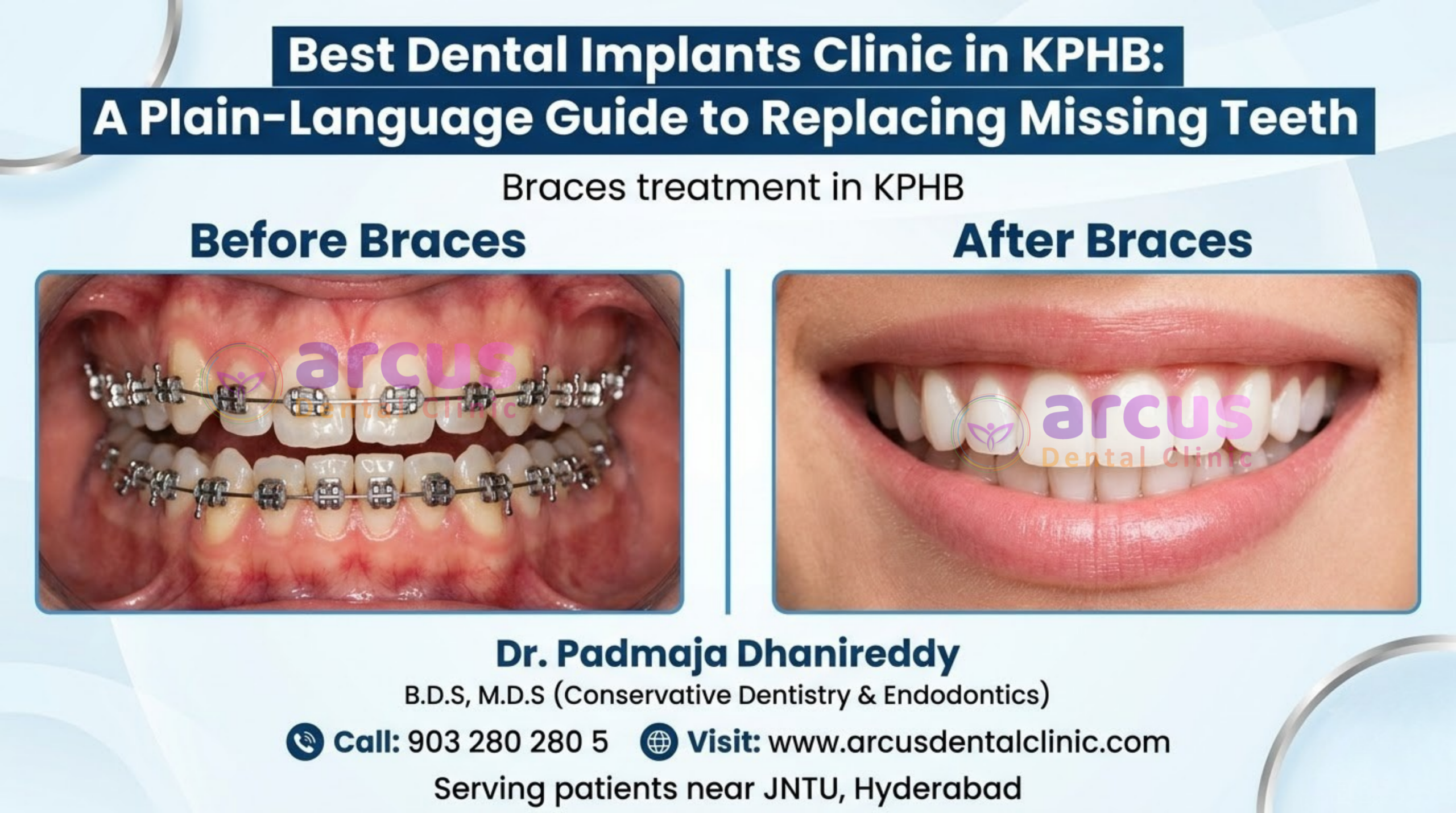
Braces use brackets and wires to move teeth gradually into planned positions. They may be suitable for a range of alignment problems, including cases that require more complex tooth movement.
Patients wearing braces need to attend follow-up appointments so the treatment can be monitored and adjusted. They must also take care when eating and cleaning around the brackets and wires.
Sticky or very hard foods may damage braces, so follow the dietary instructions provided by the treating professional.
Clear Aligners
Clear aligners are removable trays designed to move teeth gradually. They can be convenient for some patients because they can be removed for eating, drinking anything other than water, and cleaning the teeth.
However, aligners generally need to be worn for the prescribed number of hours each day to work as planned. They are not suitable for every orthodontic case, and the final decision should follow a professional assessment.
Patients should avoid switching to an online or over-the-counter alignment system without appropriate dental supervision.
Retainers After Treatment
After braces or aligner treatment, retainers are commonly recommended to help maintain the new tooth positions. Teeth can shift over time, so following the retainer instructions is an important part of orthodontic care.
The type of retainer and how often it should be worn depend on the individual treatment plan.
When Should Children Have an Orthodontic Assessment?
Parents sometimes assume that orthodontic treatment should only be considered after all permanent teeth have appeared. In reality, an orthodontic assessment during childhood may help identify developing bite or alignment concerns.
The appropriate timing depends on the child’s dental development and the specific issue. An assessment does not automatically mean that braces are needed immediately.
A dentist may recommend monitoring growth, addressing a particular problem, or planning treatment for a later stage. Early evaluation can help families understand the available options and expected timing.
Children should continue regular dental visits during orthodontic treatment because braces and aligners do not replace preventive examinations or professional cleaning when needed.
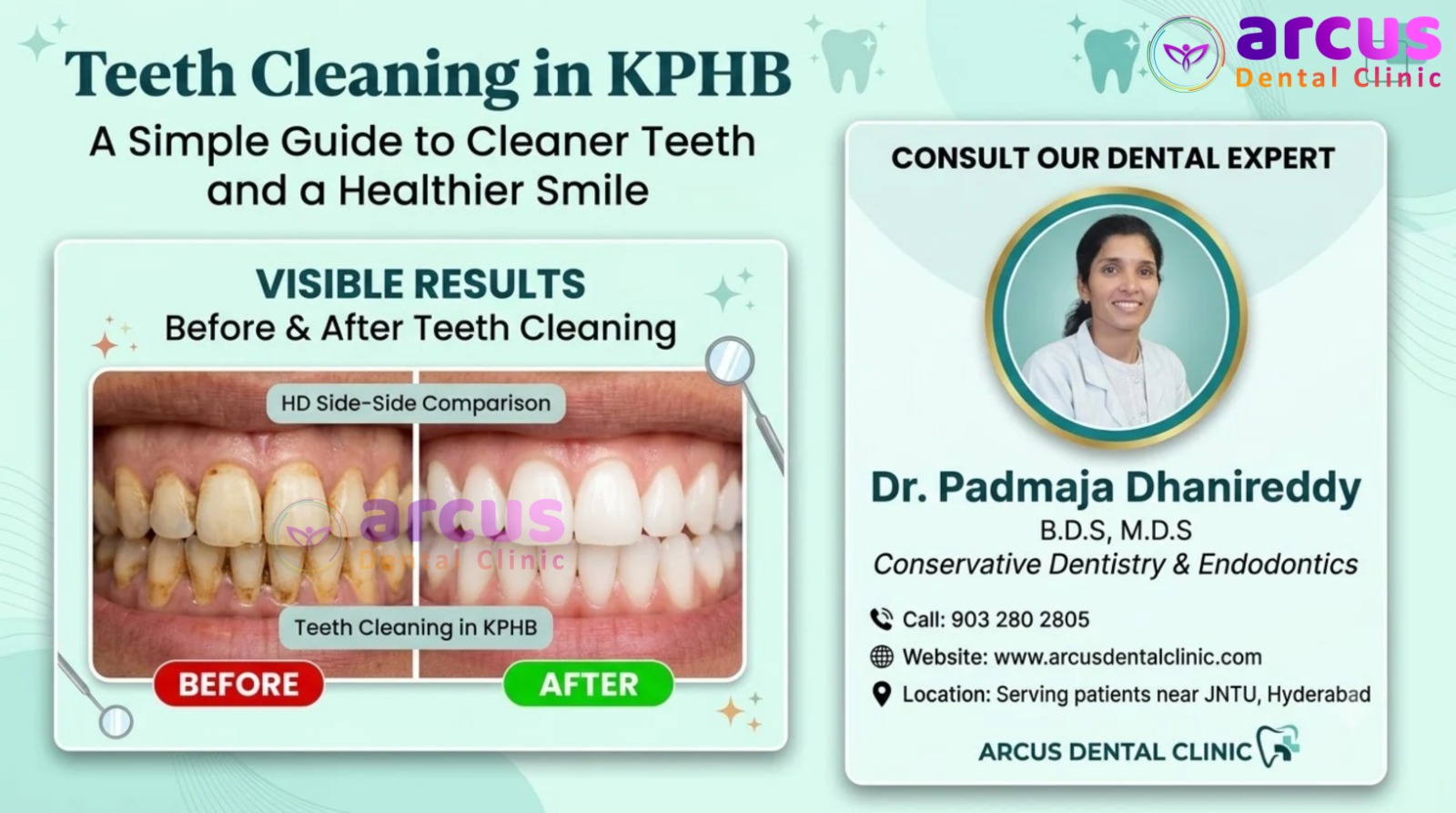
The Connection Between Teeth Cleaning and Orthodontic Treatment
Clean teeth and healthy gums are important before, during, and after orthodontic treatment.
Braces create additional areas where food particles and plaque can collect. If these areas are not cleaned carefully, patients may develop gum inflammation, cavities, or white marks on the teeth around the brackets.
People wearing braces should brush after meals when possible and use suitable tools to clean around brackets and wires. Interdental brushes or other aids may be recommended according to the appliance and the patient’s needs.
Clear aligners can be removed for cleaning, but the teeth and trays should still be cleaned according to professional instructions. Avoid drinking sugary or acidic beverages while wearing aligners, as trapped liquid may increase the risk of dental problems.
If you are considering orthodontic treatment, discuss preventive care and cleaning needs before beginning. A practical hygiene routine makes it easier to maintain oral health throughout treatment.
Choosing the Right Dental Clinic for Cleaning and Alignment Concerns
When selecting a clinic, look for clear explanations, appropriate examination, good hygiene practices, and treatment recommendations based on your needs.
Ask what a recommended procedure involves, whether alternatives are available, how many visits may be needed, and what costs should be expected. For orthodontic treatment, it is particularly useful to understand the proposed plan, estimated duration, follow-up schedule, and retainer requirements.
Arcus Dental Clinic is located in KPHB, Hyderabad, and lists services including tooth cleaning and polishing, dental braces, aligners, and other general and restorative dental treatments.
Patients can contact the clinic to discuss their concerns and enquire about the appropriate appointment. The treatment recommended will depend on the findings of an individual examination.
Frequently Asked Questions
- How often should I get professional teeth cleaning?
The recommended frequency depends on plaque and tartar buildup, gum health, medical history, and individual risk factors. Your dentist can suggest an interval suited to your needs.
- Does teeth cleaning make teeth weaker?
Professional cleaning performed appropriately does not weaken healthy teeth. It removes deposits from the tooth surfaces. Temporary sensitivity can occur, particularly when there is gum inflammation or exposed root surfaces.
- Can teeth cleaning remove all yellow stains?
Cleaning and polishing may remove some external stains and tartar. They do not change the natural colour of teeth in the same way as whitening treatments. Ask your dentist to assess the cause of the discolouration.
- How do I know if I need braces?
Crowding, gaps, rotated teeth, or a bite that feels uncomfortable may be reasons to seek an orthodontic assessment. Only a clinical examination can establish whether treatment is appropriate.
- Are clear aligners better than braces?
Neither option is automatically better for everyone. Suitability depends on the alignment problem, required tooth movements, lifestyle, and willingness to follow the treatment instructions.
- Can I get my teeth cleaned while wearing braces?
Yes, professional cleaning may be recommended during orthodontic treatment. The dentist can advise how frequently you need it and how to clean around your particular appliance.
- Where can I enquire about dental cleaning and braces in KPHB?
Arcus Dental Clinic is located at 1st Floor, LIG 61-8, 4th Phase, KPHB, JNTU-Hitech City Road, Hyderabad, Telangana 500072. Call 9032802805 to enquire about appointments and available services.
Conclusion
Healthy teeth need consistent care, not just occasional attention when a problem develops. Professional cleaning helps remove plaque and tartar that ordinary brushing cannot eliminate, while orthodontic assessment can help people understand options for improving tooth alignment and bite function.
If you are considering Teeth Cleaning in KPHB, a dental appointment can help you understand the condition of your teeth and gums and receive practical guidance for your daily routine. If alignment or bite concerns are affecting your smile, an Orthodontist in KPHB can assess your teeth and explain whether braces, clear aligners, or another approach may be suitable.
Arcus Dental Clinic offers general dental care and lists cleaning, polishing, braces, and aligner services among its treatments. Contact the clinic to discuss your concerns and enquire about an appointment. With appropriate professional advice and consistent home care, you can take practical steps towards maintaining a healthy, comfortable smile.